The future
isn't coming… It's here.
AI is ending careers. Rewriting industries.
Doom-scrolling is not a plan.
Waiting to be rescued is a failure condition.
Here's the uncompromising reality check, and the way through.
Stop imagining the future.
Look at the present.
Every machine below is real and working today. This is the story the book tells: how we got here, and what you can build with the same tools.
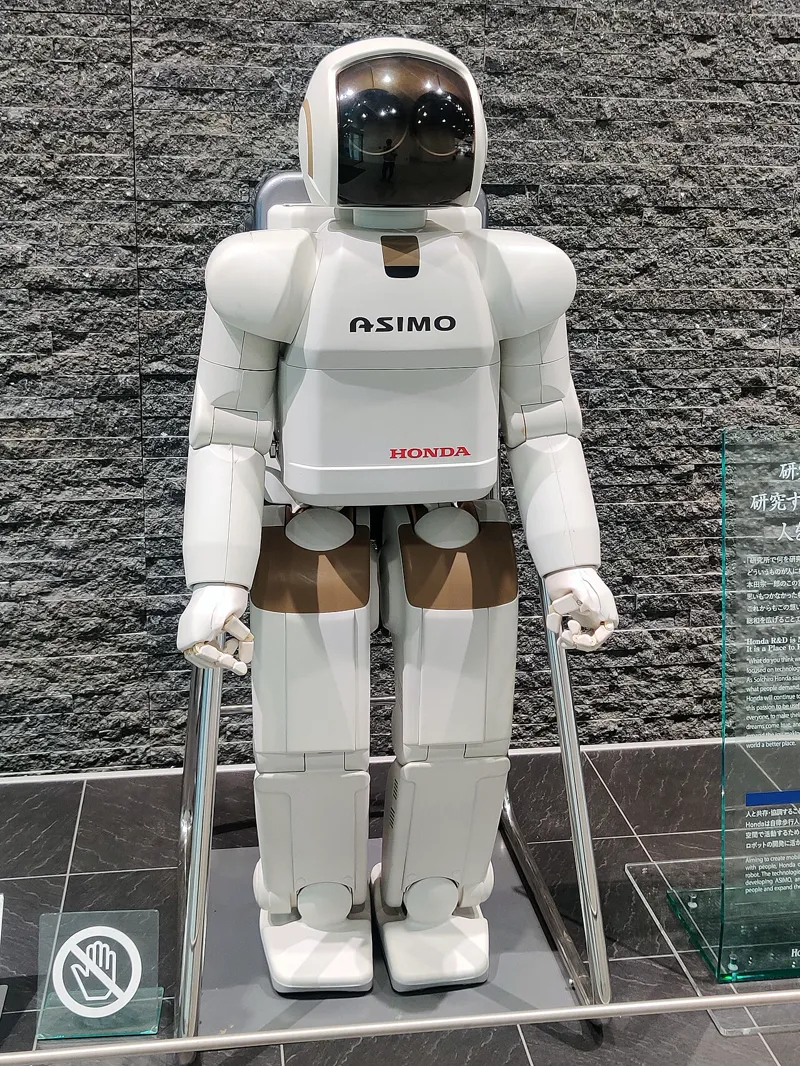
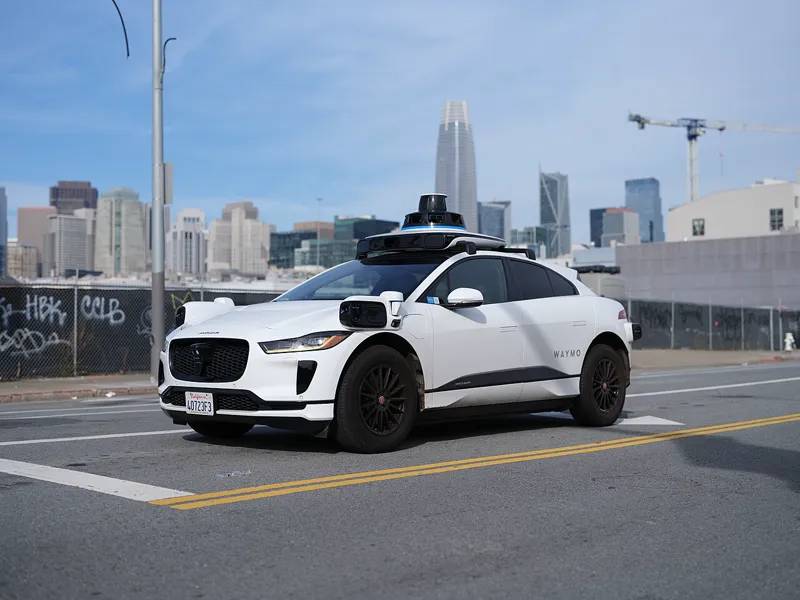
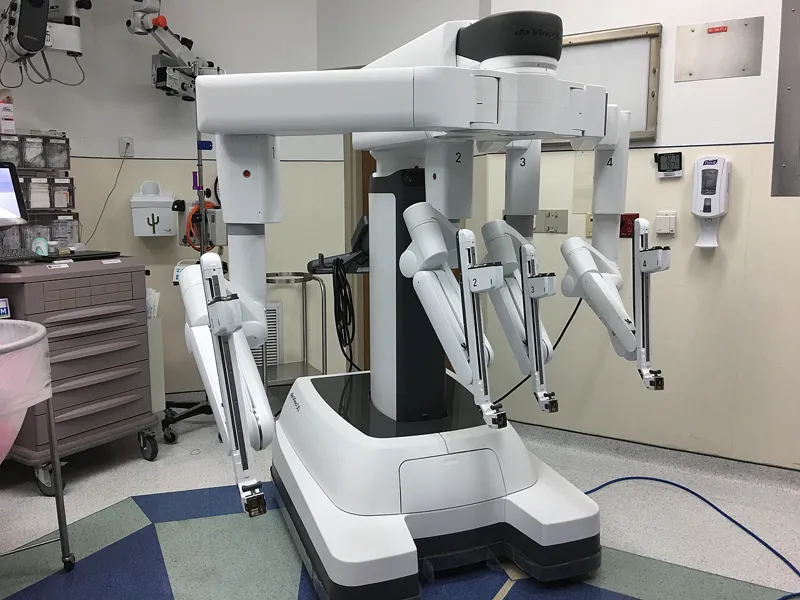
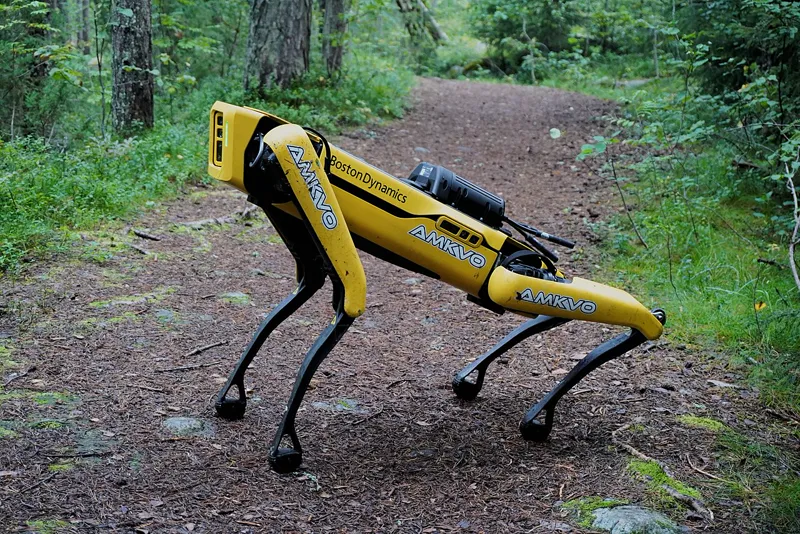
The same robots can work for you.
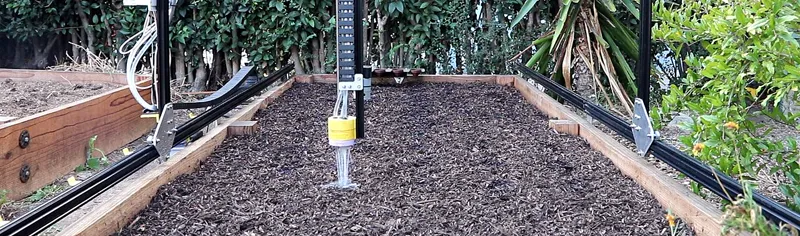
Open-source machines like FarmBot already plant, water, and weed a garden on their own. Give the machines a job worth having, and start with food. The book shows you how.
Losing your job shouldn't mean going hungry.
What if it all goes right? Machines are taking on more of the work we're paid to do. This book is an optimist's field manual for using them to make ordinary life more secure, starting with food. Money stays. It just stops being the ticket to staying alive.
Most people will get steamrolled.
You don't have to be one of them.
- You fall behind while others win
- Every disruption makes your position worse
- You scramble when others capitalize
- You're the last to adapt. First to suffer.
- You see what's coming while others are blindsided
- You build leverage most people won't even know exists
- Disruptions become advantages. For you.
- You level up while everyone else is still catching on.
They don't want you to know the truth...
so here it is.
- AI is displacing workers right now. CEOs are tripping over themselves to cut headcount. It is not stopping.
- Robot capabilities that cost $100K in 2022 are available for under $1,000 today.
- Most people are treating AI like the enemy. Fighting it. Resisting it. That is not going to work.
- You can use the same tools ending other people's careers to build yours. Automate your survival. Get ahead.
Here's what you do about it
- The readiness checklist: concrete moves, ordered by impact
- Full blueprint, all chapters
- The Precedent File: 29 documented cases, with every source
- Book draft, updated as it's written
One-time. Price goes up at launch.
This is a book preorder. You read the draft now, and it's updated as it's written.
This is already in motion.
From one research paper to a planetary buildout in under a decade. Every stage is documented. The question is where you'll stand for the next one.
The Event Horizon
Eight researchers publish the Transformer architecture. Every modern AI descends from this one paper. Almost nobody notices. The book argues this was the point of no return.
Machines Get Creative
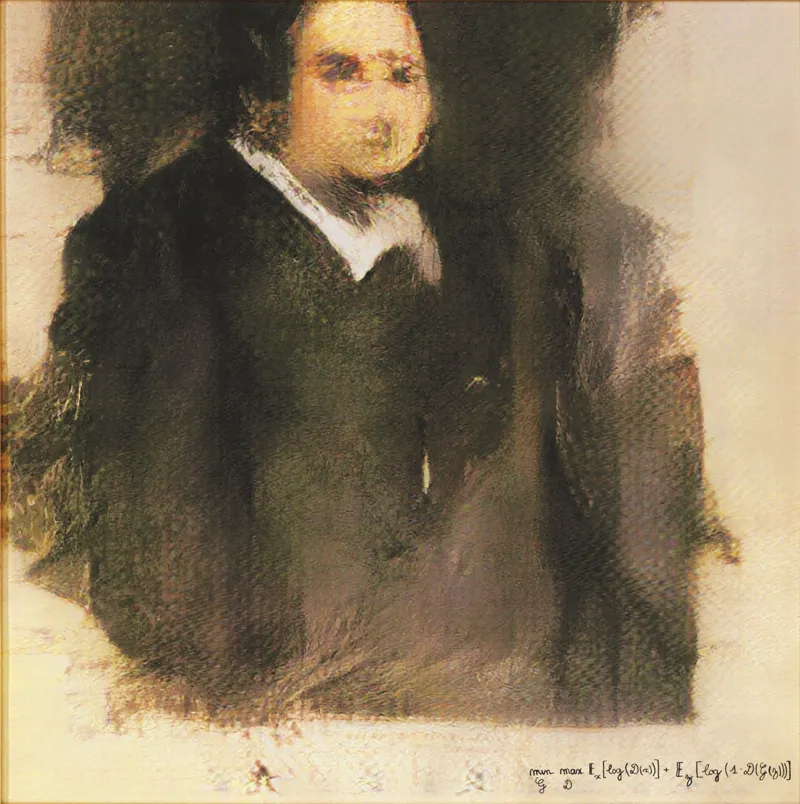
An AI-painted portrait sells at Christie's for $432,500. "Creativity is safe from automation" dies quietly, six years before most people hear about AI art.

The Breakout
ChatGPT becomes the fastest-adopted product in history. Compute becomes the largest infrastructure buildout on the planet. Humanoids enter the factories. You are here.

The Horizon
Median expert estimate for AGI. Not a doomsday. A horizon. The people who prepared watch the sunrise from the right side of it. The book gets you there.
Autonomous, at 1x speed.
Nobody is holding a controller and nothing is sped up. This is where physical AI is right now.
Three parts. The complete picture.
What's happening. How people react. What you can do. In that order.
What is the Singularity?
The data. The math. The thermodynamic reality.
Why the 2017 Transformer crossed the event horizon. The mathematical map of intelligence scaling: nine stages from current AI to the apex, run by a machine bound by physics.
How Humans React
Transition dynamics. Fear to footing. The egalitarian pivot.
Most people follow predictable patterns when disruption hits. Learn the psychology of the collapse, step out of the fear loop, and plug into the egalitarian, hyper-local cooperative networks already forming.
How to Survive the Transition
Shouse Grids. DC-native microgrids. Hardware you own.
Actionable mechanics, not abstract advice: Shouse Grids, DC-native microgrids, and mechanical transducer systems that refine local waste into value. Johnny Autoseed, our boutique robotics project management and consultation service, helps you stand up the physical infrastructure.
Preorder the book.
Five dollars.

The book draft. The Precedent File. The readiness checklist. One payment, everything now, plus 50% off the finished book at launch.
Limited time offer. Price goes up at launch.
No upsells. No subscription. Just the stuff that matters.